



Dusk Wild Encounters Along Devon’s Tidal Estuaries

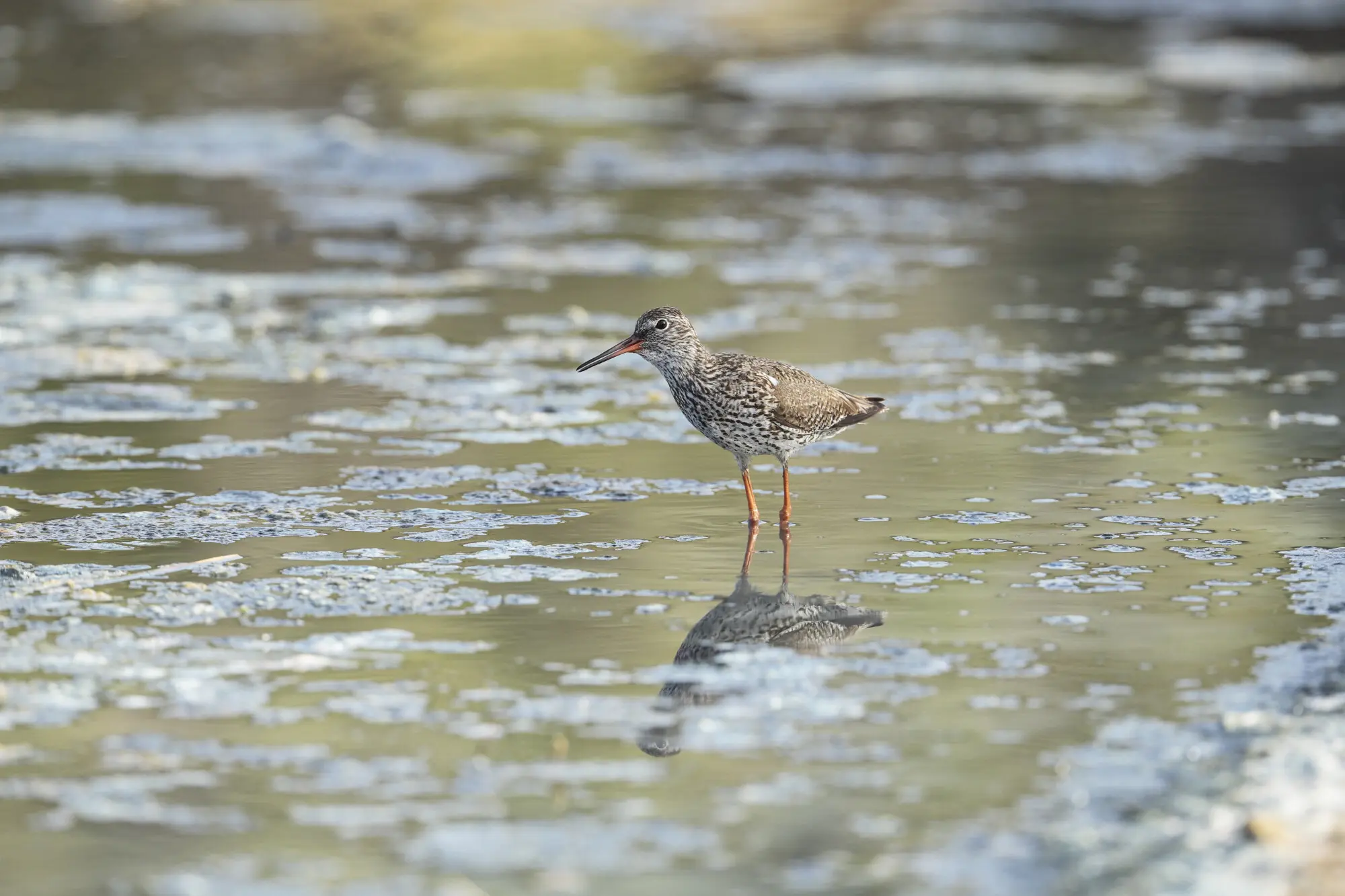
Join us for dusk wildlife watching along Devon’s tidal estuaries, where the last light brushes mud and reed with silver and familiar places suddenly whisper different stories. Together we explore dusk wildlife watching along Devon’s tidal estuaries by aligning with tides, listening for subtle calls, and letting patience reveal silhouettes and secrets. Expect shorebirds gathering, bats weaving, fish dimpling, and the soft hush of people moving kindly, learning to witness without intruding while the water turns and night breathes in.

The Pull of the Tides at Day’s End

As daylight loosens its grip, the estuary’s rhythm becomes obvious: water creeps, mud shrinks, and flocks reorganize with purpose. Understanding how dusk overlaps the tidal curve turns guesswork into certainty, placing you where movement concentrates naturally. This gentle choreography reveals feeding windows, roost flights, and rippling channels that flash with quick lives, all framed by calm winds, broad skies, and the mirrored patience of saltwater finding its nightly level.

Neighbors of the Silvered Water

As the sky dims, familiar residents lean into ritual while elusive wanderers step from cover. Waders stitch the shoreline, egrets freeze into ivory punctuation, and distant geese discuss tomorrow’s routes. Overhead, pipistrelles trace insect roads above reed tips, and an owl’s soft comma rewrites the margin. Each encounter earns trust with time, distance, and unhurried attention, turning ordinary edges into luminous pages of behavior, adaptation, and grace.

Waders On the Move

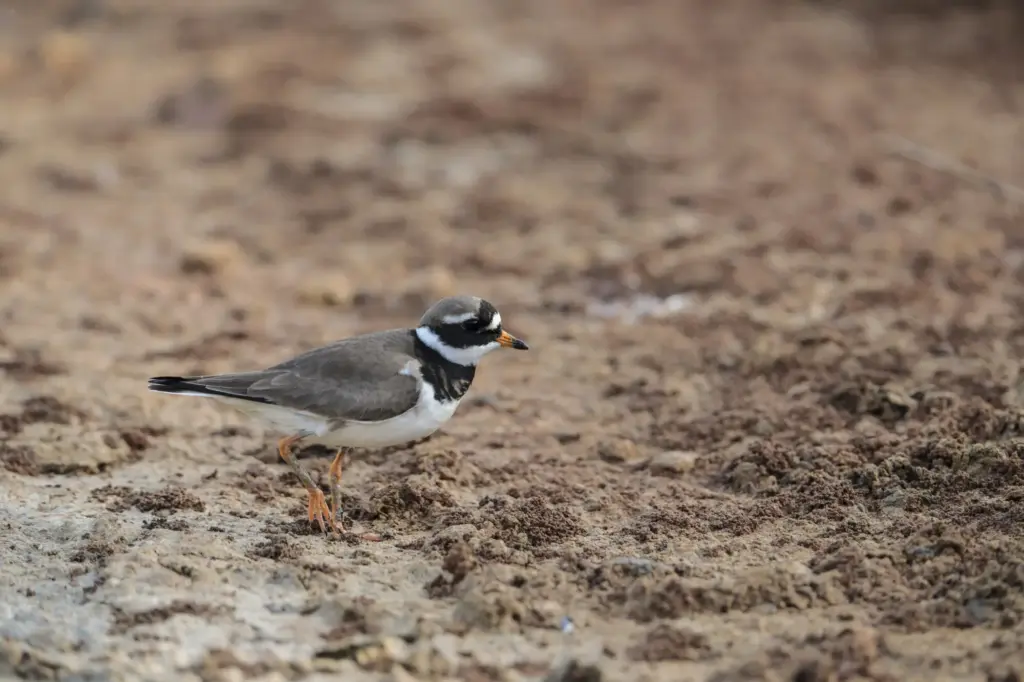
Curlew, redshank, oystercatcher, and godwits shuffle their priorities as the tideline creeps, trading feeding grounds for secure roosts. Listen for bubbling curlew calls that fold into evening like memory, and watch tight flocks switch direction as one mind. When mud narrows, silhouettes compress near favored spits, fences, or islets, offering respectful views without stepping closer. Persistence reveals small, telling details: a probing rhythm, a shared alarm, a quiet settlement.

Hunters After the Hush

As people thin away, predators clock in. Little egrets spear minnows in mirror-still creeks; grey herons stand like patient questions. Tawny owls test the hedgerows, while bats sweep insect lanes over the path’s warm ribbon. If fortune bends your way, an otter’s V-shaped ripple scribbles briefly against the fading light. Let them write the pace. Stillness and a careful stance invite far more than any hurried step can summon.

Seasonal Guests and Passing Drama

In winter, the Exe often hosts avocets and dark-bellied brent geese, painting dusk with crisp monochrome lines and low conversational murmur. Late summer may bring terns snipping silver fish from quiet glass. Spring and autumn trade in shorebird passage, when unfamiliar outlines pause like footnotes of distant coasts. Rarities do appear, yet the truest magic lies in understanding the common, whose daily patience breathes meaning into every changing tide.

Quiet Fieldcraft for Clear Consciences

The shoreline listens. Every footfall, flicker of light, or lifted arm can ripple farther than we intend. Ethical habits turn watchers into guardians, ensuring tonight’s privilege does not cost tomorrow’s nest or roost. Keep distance, soften voices, shield lights, and favor paths already trodden thin. With such care, the estuary unfolds fully, inviting you closer through trust rather than pressure, and gifting encounters that feel as right as they look.

Distance, Pathways, and Gentle Posture

Use established paths, hides, and hard surfaces to avoid crushing saltmarsh seedlings or prompting nervous flights that burn precious energy. A low profile and side-on approach read calmer than a direct stare. If birds lift, you are too close; pause and retreat. Red-light headlamps preserve night vision and disturb less. Remember that even success can harm if earned too forcefully; better a brief, ethical glimpse than a stolen minute.

Sound, Light, and Patience as Tools

Mute device notifications, stow reflective straps, and let natural soundscapes lead. Avoid playback and loud whispers that behave like sudden weather for sensitive ears. Shield torches within your jacket and aim beams at the path, not the waterline. When you wait in quiet, rhythms normalize, and you receive unguarded behavior that field guides only hint at. Patience replaces intrusion, revealing stories that belong to the dusk alone.

Clean Boots, Clean Conscience

Before and after each visit, brush soles and rinse gear to reduce the spread of invasive seeds or pathogens between wetlands. Carry a small bag for litter, even if it is not yours. Mind biosecurity notices near reserves, and report entangled line or nets to wardens. These humble habits protect feeding flats, roost islands, and reedbeds that knit the whole system together, ensuring tomorrow’s dusk still finds the water breathing easily.

Tools That Amplify Wonder

A few thoughtful choices let you see more, disturb less, and stay comfortable when the evening turns cool. Optics with generous exit pupils keep images bright, while soft layers fend off river chill that slips under collars. Tide tables and weather maps sharpen plans into confident steps. Quiet footwear, a notebook, and a small thermos extend patience into real insight, crafting a night where presence and preparation meet perfectly.

Optics Built for Low Light

An 8x42 or 7x50 binocular balances reach, steadiness, and brightness, with a wide exit pupil that keeps dusk scenes usable. Image-stabilized models help in wind, though a lightweight monopod can steady longer looks through a small scope. Keep lenses clean, straps quiet, and controls intuitive. In fading light, ergonomics matter as much as glass, ensuring your eyes stay relaxed while silhouettes bloom into recognizable, trustworthy forms.

Warm, Dry, and Unhurried

Layer merino or fleece beneath a windproof shell and carry a compact sit pad to rest without chilling on damp benches or grass. Waterproof boots with good tread respect mud’s sly confidence. Thin gloves protect fingers while preserving dexterity for focus wheels. Pack spare batteries and a dimmable headlamp. Comfort builds patience; patience opens doors. The kindest sightings come to those who are warm enough to keep still longer.

Where Water Meets Story: Devon Evenings

Names on a map turn into memories the moment a curlew calls or an egret lifts against pewter water. Devon’s estuaries carry such moments easily: channels curving like old handwriting, boats breathing at their moorings, village lights stippling horizons. Each place teaches a different patience and a slightly altered way of standing, listening, and smiling back at strangers who, for a minute, feel like family under the same widening sky.

Exe Estuary: Rails, Roosts, and Reed Edge

Evenings near Topsham and Bowling Green Marsh often brim with avocets threading porcelain reflections and mixed flocks settling toward the Clyst. From Exmouth’s embankments, gulls fold into neat grey paragraphs while cormorants underline the channel with slick commas. Once, waiting by a quiet stile, I watched a kingfisher spark twice and vanish, leaving only widening rings and a grin that followed me all the way home.
Taw–Torridge: Broad Water, Gentle Crossings

Fremington Pill and Instow share open vistas where waders stitch copper mud as the Tarka Trail hums softly behind your shoulder. When the breeze relaxes, oystercatchers carve punctuation across flats, and distant geese discuss routes in gravelly counsel. One blue hour, a subtle V woke the surface, paused beneath the bank, and let the river settle again, as if a secret had slipped back safely into silt.

Dart and Avon: Curves of Quiet Thought

Up near Sharpham on the Dart, bats embroider hedgerows while herons unfold like old maps beside reed. Along the Salcombe–Kingsbridge estuary, still creeks cup reflected stars between anchored hulls. I once heard soft wingbeats pass behind me, felt the air shift, then saw nothing until an owl’s question floated from the field. Not everything reveals itself, yet everything deepens the night’s careful handwriting.
Keeping Memories Without Breaking Magic

Low-Light Photography That Respects Wildlife

Raise ISO with intention, favor fast primes, and steady your stance rather than chasing every movement. Use silent shutter modes and avoid flash entirely near roosts or feeding birds. Let silhouettes carry mood, leaning into reflections and layered horizons. A short, ethical series says more than a close, intrusive frame. Remember, the story is the relationship between water, light, and behavior, not your closeness to it.

Field Notes That Sharpen Eyes

Record time, tide state, wind direction, and what first drew your attention, then sketch shapes and annotate behavior beats. Notebooks train perception, turning guesswork into grounded memory on your next visit. Circling a single, puzzling bird and revisiting it later builds skill quickly. Over weeks, your notes reveal how evenings stack, which bends produce drama, and why certain whispers always rise where the channel narrows.

Share, Learn, and Stay Connected

Post sightings with care around sensitive roosts, omitting precise locations when disturbance is likely. Swap stories with Devon Birds, RSPB Exeter Local Group, and friendly watchers you meet at the rail. Add your voice below, subscribe for sunset alerts, and tell us which bend, boardwalk, or bench taught you patience. Your questions shape future guides, and your kindness keeps the estuary welcoming for creatures and people alike.

Safe Steps, Simple Plans, Lasting Nights

Good planning makes room for wonder. Tides, mud, and fading light are honest teachers, but they reward respect. Check access points, note exit routes, and tell someone your expected return. Pack a small first-aid kit, charge your phone, and carry a paper backup of maps. When safety hums along in the background, attention can lean fully toward the whispering water and the lives that trust it nightly.

Mud, Margins, and Moving Water

Respect soft mud that looks firmer than it feels, especially where saltmarsh meets open flats. Rising tides close gaps behind you faster than expected, so plan vantage points with an eye on return paths. Use headtorches with red settings, keep hands free, and watch step edges where algae slicks rock. If a route feels uncertain, pause and choose the wide, dry patience of higher ground.

Getting There the Gentle Way

Trains to Topsham and Exmouth serve the Exe; the Tarka Line reaches Barnstaple for Taw–Torridge; buses and bikes stitch last miles sweetly. Arriving by public transport or pedal calms the evening before you even look through glass. Pack light, linger longer, and let timetables guide when the water sings loudest. A smaller footprint means more room for feather, fin, and reed to breathe easily.

Welcoming Every Watcher

Look for step-free hides, broad paths, and benches with clear sightlines near car parks for those with limited mobility or small children. Short, focused stops beat ambitious circuits at dusk. Share binocular views generously, offer spare hand warmers, and invite questions. The estuary widens when everyone feels at ease. Accessibility is not an add-on; it is the channel that carries community toward shared, repeatable joy.
Vanitemiravokentopalo
Privacy Overview

This website uses cookies so that we can provide you with the best user experience possible. Cookie information is stored in your browser and performs functions such as recognising you when you return to our website and helping our team to understand which sections of the website you find most interesting and useful.