
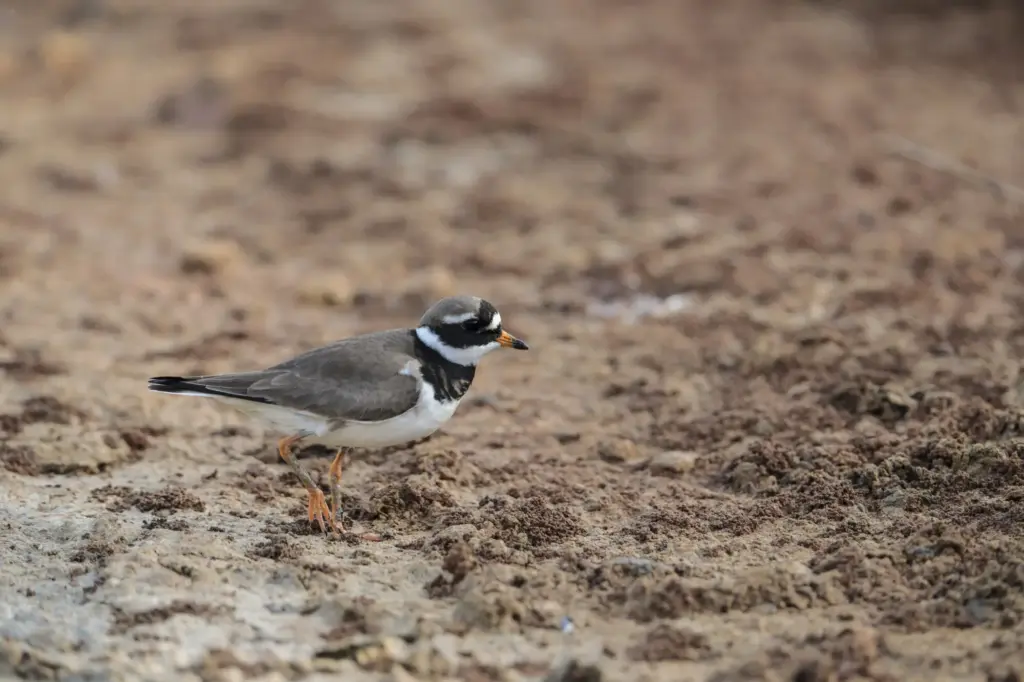



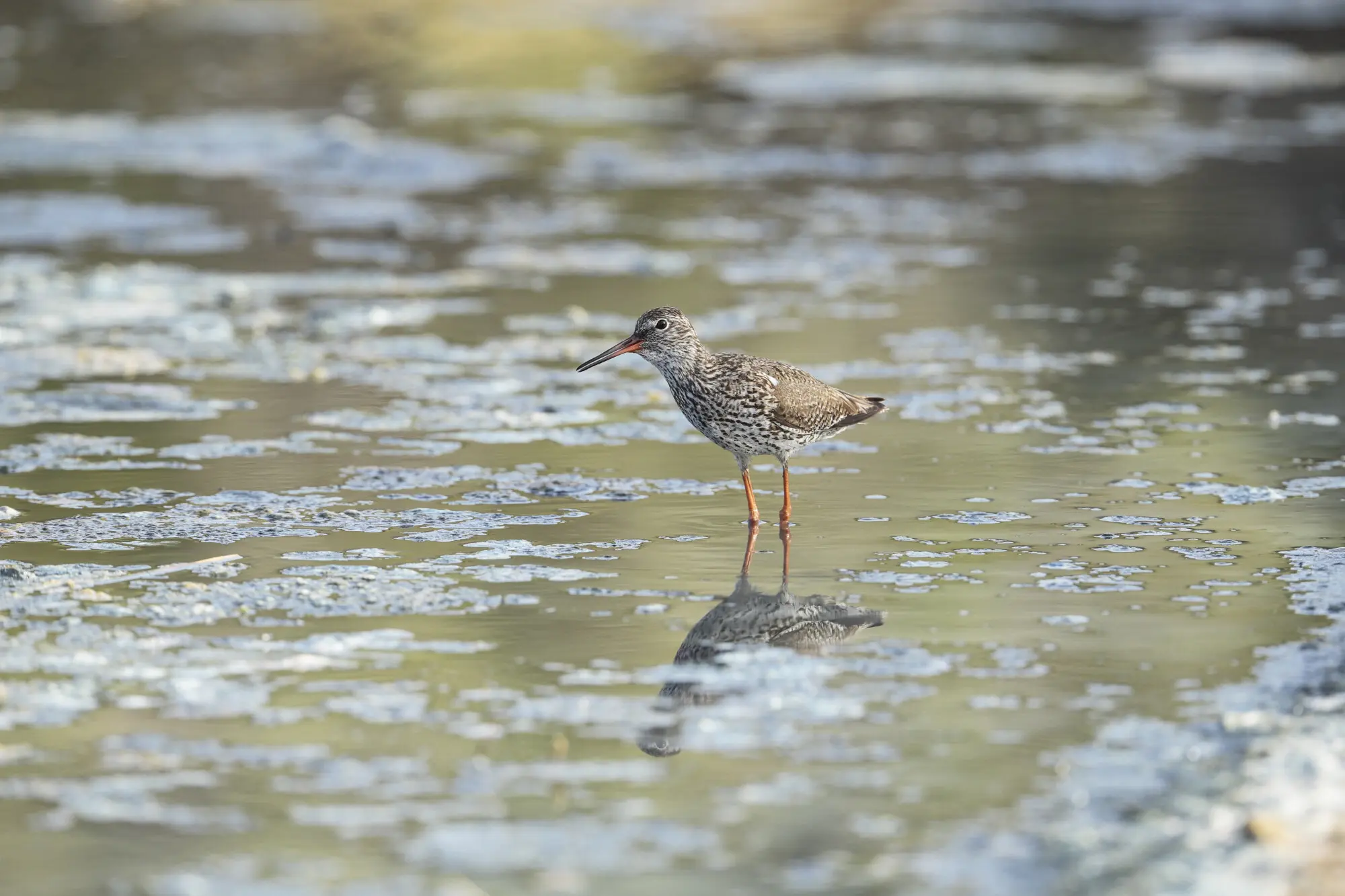
Curlew, redshank, oystercatcher, and godwits shuffle their priorities as the tideline creeps, trading feeding grounds for secure roosts. Listen for bubbling curlew calls that fold into evening like memory, and watch tight flocks switch direction as one mind. When mud narrows, silhouettes compress near favored spits, fences, or islets, offering respectful views without stepping closer. Persistence reveals small, telling details: a probing rhythm, a shared alarm, a quiet settlement.
As people thin away, predators clock in. Little egrets spear minnows in mirror-still creeks; grey herons stand like patient questions. Tawny owls test the hedgerows, while bats sweep insect lanes over the path’s warm ribbon. If fortune bends your way, an otter’s V-shaped ripple scribbles briefly against the fading light. Let them write the pace. Stillness and a careful stance invite far more than any hurried step can summon.
In winter, the Exe often hosts avocets and dark-bellied brent geese, painting dusk with crisp monochrome lines and low conversational murmur. Late summer may bring terns snipping silver fish from quiet glass. Spring and autumn trade in shorebird passage, when unfamiliar outlines pause like footnotes of distant coasts. Rarities do appear, yet the truest magic lies in understanding the common, whose daily patience breathes meaning into every changing tide.
An 8x42 or 7x50 binocular balances reach, steadiness, and brightness, with a wide exit pupil that keeps dusk scenes usable. Image-stabilized models help in wind, though a lightweight monopod can steady longer looks through a small scope. Keep lenses clean, straps quiet, and controls intuitive. In fading light, ergonomics matter as much as glass, ensuring your eyes stay relaxed while silhouettes bloom into recognizable, trustworthy forms.
Layer merino or fleece beneath a windproof shell and carry a compact sit pad to rest without chilling on damp benches or grass. Waterproof boots with good tread respect mud’s sly confidence. Thin gloves protect fingers while preserving dexterity for focus wheels. Pack spare batteries and a dimmable headlamp. Comfort builds patience; patience opens doors. The kindest sightings come to those who are warm enough to keep still longer.

Evenings near Topsham and Bowling Green Marsh often brim with avocets threading porcelain reflections and mixed flocks settling toward the Clyst. From Exmouth’s embankments, gulls fold into neat grey paragraphs while cormorants underline the channel with slick commas. Once, waiting by a quiet stile, I watched a kingfisher spark twice and vanish, leaving only widening rings and a grin that followed me all the way home.
Fremington Pill and Instow share open vistas where waders stitch copper mud as the Tarka Trail hums softly behind your shoulder. When the breeze relaxes, oystercatchers carve punctuation across flats, and distant geese discuss routes in gravelly counsel. One blue hour, a subtle V woke the surface, paused beneath the bank, and let the river settle again, as if a secret had slipped back safely into silt.
Up near Sharpham on the Dart, bats embroider hedgerows while herons unfold like old maps beside reed. Along the Salcombe–Kingsbridge estuary, still creeks cup reflected stars between anchored hulls. I once heard soft wingbeats pass behind me, felt the air shift, then saw nothing until an owl’s question floated from the field. Not everything reveals itself, yet everything deepens the night’s careful handwriting.
All Rights Reserved.